


- A bipartisan group of US House lawmakers has co-sponsored a bill designed to prevent criminal prosecution of software developers who code blockchain apps but do not control users’ crypto assets.
- The bill clarifies that breaches of the federal criminal code related to unlicensed money transmission operations would only apply to developers with custody of digital assets.
- The move has long been called for in the crypto industry and has drawn support from major crypto advocacy groups
A new bipartisan bill introduced into the US House of Representatives aims to protect American blockchain software developers from criminal prosecution.
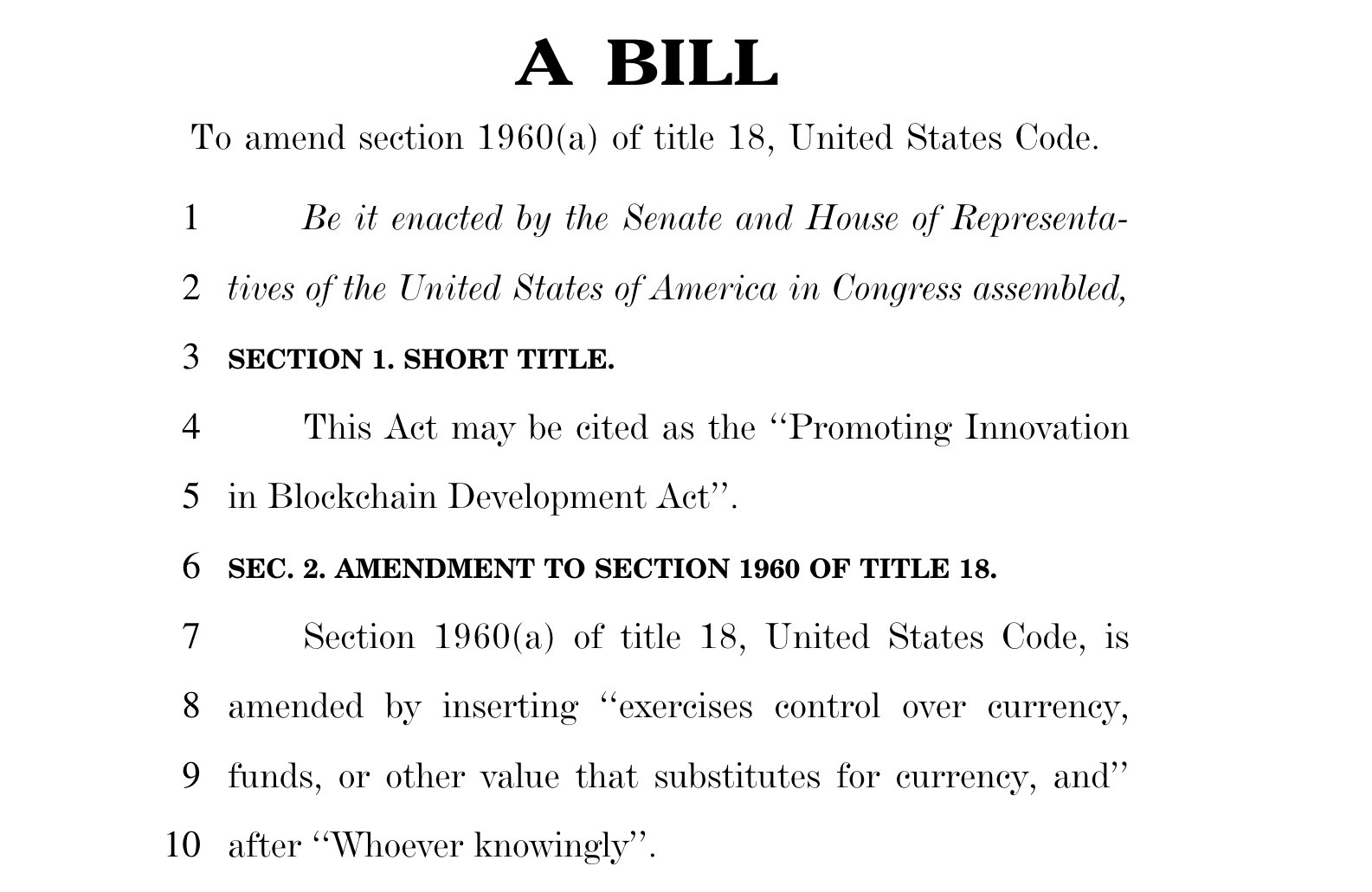
The ‘Promoting Innovation in Blockchain Development Act’ was jointly introduced on Thursday by Republican Representatives Scott Fitzgerald and Ben Cline, together with Democrat Zoe Lofgren.
Congressman Ben Cline, who represents Virginia, tweeted that the bill “restores needed clarity by protecting developers who don’t control customer funds, while ensuring law enforcement can continue to target real criminals.”
For too long, federal overreach has blurred the line between bad actors and the innovators building next-generation technology.
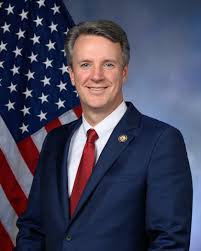 Rep. Ben Cline
 The bill specifies that coders who don’t take custody of, or control, customer money are not subject to prosecution under Title 18 US Code 1960 — which makes it a federal crime to operate an unlicensed money transmitting business.
Similar protections for coders were included in the crypto market structure bill (a.k.a. CLARITY Act), but that legislation has been delayed in Congress and it’s unclear what its final form will be. Speculative betting markets like Polymarket put the odds of the bill passing this year at over 50%, but Ripple’s CEO recently said it was even more likely.
Related: CLARITY Act Likely To Be Signed Into Law Before The End of April: Ripple CEO
Developer Protections Welcomed by Industry
Developer liability has been in focus in a number of high-profile crypto project criminal cases. Tornado Cash co-founder Roman Storm was convicted of operating an unlicensed money transmitting business in 2025. He has yet to be sentenced.
The jury is still out on whether Storm can be considered a ‘bad actor’ or an ‘innovator’ — Tornado Cash is a privacy protocol and ‘mixer’ that lets people anonymise the source of their transactions, which has been a boon for crims looking to launder ill-gotten gains.
The crypto industry has widely called for developers to be exempt from such legal action. The Solana Policy Institute said that Storm’s case was “not an isolated dispute” in an open letter in January.
Related: Tornado Cash Creator Found Guilty on One Charge, Crypto Community Eyes Appeal
“It is a test of whether the United States will continue to support and lead in open innovation – or whether fear and misinterpretation will drive builders out of the system entirely,” the Institute said.
News of the ‘Promoting Innovation in Blockchain Development Act’ has been welcomed by industry bodies. Washington-based crypto research non-profit Coin Center said it was a “long-needed response to the DOJ’s wrongful prosecutions of developers in the Tornado Cash and Samourai Wallet cases.”
The US Blockchain Association called it a “critical step to ensure the United States remains the best place in the world to build.”
This targeted clarification, which is aligned with existing Treasury guidance, is essential to ensuring that developers of non-custodial technologies are not exposed to misdirected criminal enforcement.
 Blockchain Association
 Blockchain,Cryptocurrency,Law#Lawmakers #Move #Shield #Crypto #Developers #Federal #Prosecution1772181827
